Haply Wins the CODE LiFE Ventilator Challenge | MGH Foundation
The Montreal General Hospital Foundation and the RI-MUHC, in partnership with the McGill Faculty of Engineering, named Team Haply the winner of the CODE LiFE Ventilator Challenge. The design was selected from over 1,000 teams across 94 countries for its simplicity, low cost, and ease of training.
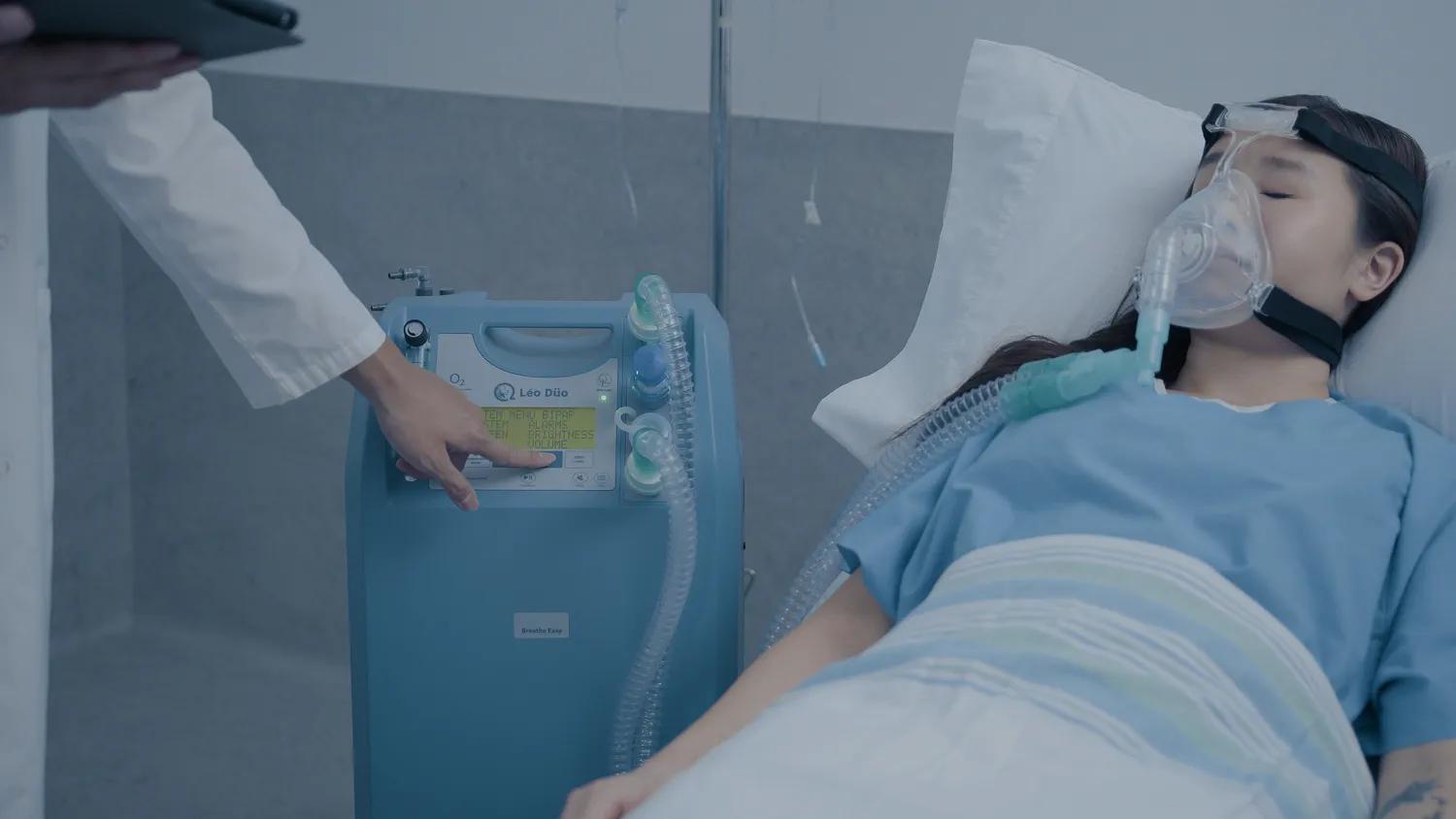
Originally published on haply.co — the canonical version of this article.
The Montreal General Hospital Foundation and the Research Institute of the McGill University Health Center (RI-MUHC), in partnership with the McGill Faculty of Engineering, announced Team Haply from Montreal as the winner of the CODE LiFE Ventilator Challenge.
A Global Two-Week Design Sprint
The CODE LiFE Ventilator Challenge was officially launched in early 2020 as a two-week global competition to design a low-cost, simple, easy-to-use, and easy-to-build ventilator for patients suffering from COVID-19.
The competition attracted more than 2,600 registrations, representing over 1,000 teams from 94 countries. After extensive testing and evaluation by experts in critical care, respiratory therapy, medical devices, and ventilator manufacturing, three finalist teams were selected. Among the finalists, Team Haply was chosen as the overall winner.
The judges selected the Haply design because of its:
- Simplicity in design and operation
- Low production cost
- Ease of training
- Versatility
- Expected robustness and reliability
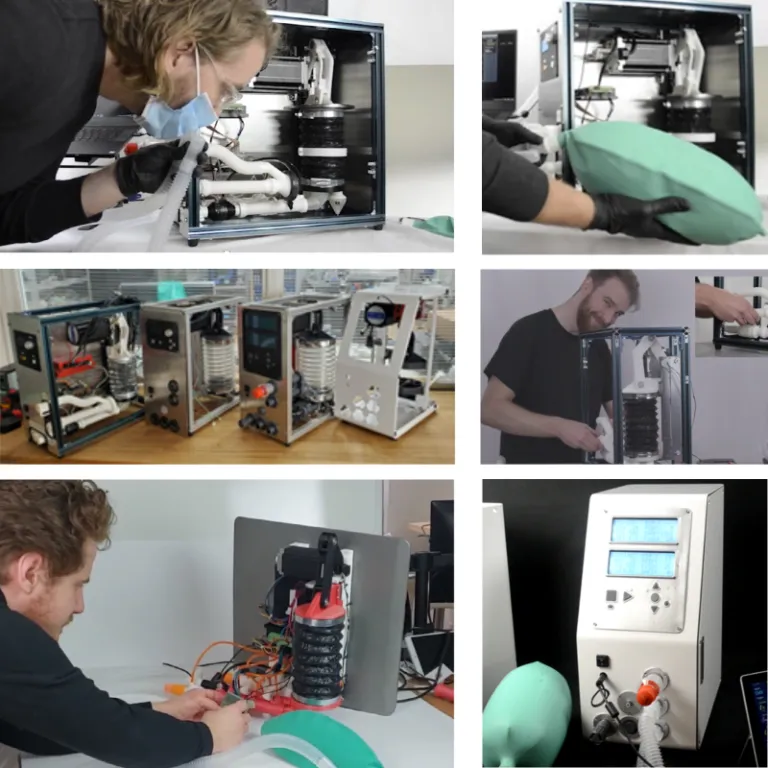
A Rewarding Win for the Team
Colin Gallacher, Co-Founder of Haply Robotics, described the challenge as one of the most rewarding experiences for the company. He explained that the team was motivated by the unequal access to essential medical technologies such as ventilators between developed and developing countries, a problem that became even more apparent during the COVID-19 pandemic.
Gallacher thanked the organizing committee, Professor Reza Farivar, the Montreal General Hospital Foundation, the RI-MUHC, and McGill University’s Faculty of Engineering for creating such a meaningful initiative.
Thanks to the support of sponsors including Scotiabank, MD Financial Management, the Canadian Medical Association, Agorize, and several private donors, Haply received the remainder of its $200,000 prize.
Glen Gowland, Group Head of Global Wealth Management at Scotiabank, congratulated Team Haply and expressed confidence that the winning ventilator design would have a meaningful impact both in Canada and internationally. Jean-Guy Gourdeau, President and CEO of the Montreal General Hospital Foundation, praised the collaboration between organizations and innovators that resulted in a practical ventilator capable of saving lives. Jim Nicell, Dean of McGill University’s Faculty of Engineering, emphasized the importance of collaboration between engineering, medicine, and industry, expressed pride in Team Haply, and looked forward to supporting the project through the final stages of regulatory approval.
Next Steps for Haply
Professor Reza Farivar congratulated all participants and finalists while emphasizing that the next priority was bringing the Haply ventilator to the millions of people worldwide who continue to have limited access to mechanical ventilators.
To help achieve this goal, McGill University’s Faculty of Engineering launched the “Made for All” initiative, which aims to:
- Obtain regulatory approval for the ventilator
- Begin large-scale production
- Keep manufacturing costs below $1,000 per unit
- Make ventilators accessible to low- and middle-income countries
With additional support from the Montreal General Hospital Foundation and Joule, another $300,000 in funding was secured along with new partners providing specialized pro-bono support.
About the Organizations
Research Institute of the McGill University Health Centre (RI-MUHC): The RI-MUHC’s mission is to generate innovative research that advances patient-centered medicine. Its work focuses on clinical, fundamental, and evaluative research to improve healthcare through scientific discovery and innovation.
McGill’s Faculty of Engineering: Founded in 1871, McGill University’s Faculty of Engineering is one of the world’s leading research-intensive engineering schools, with researchers developing solutions in sustainability, manufacturing, healthcare, information technology, urban planning, and architecture. The faculty also promotes entrepreneurship and innovation through the McGill Engine initiative.
Haply Robotics: Haply Robotics is a Montreal-based company founded in 2018, bringing together engineers, designers, and artists dedicated to developing innovative haptic technologies. Its expertise spans haptic technology, electrical and mechanical engineering, software development, VR/AR, and medical training simulation. Haply specializes in building haptic systems that help surgeons and medical professionals train using realistic virtual and augmented reality environments while rapidly transforming ideas into physical products.
The original announcement was published by the MGH Foundation.