UC-03 / SKILLS TRAINING & SIMULATION
Muscle memory, transferred.
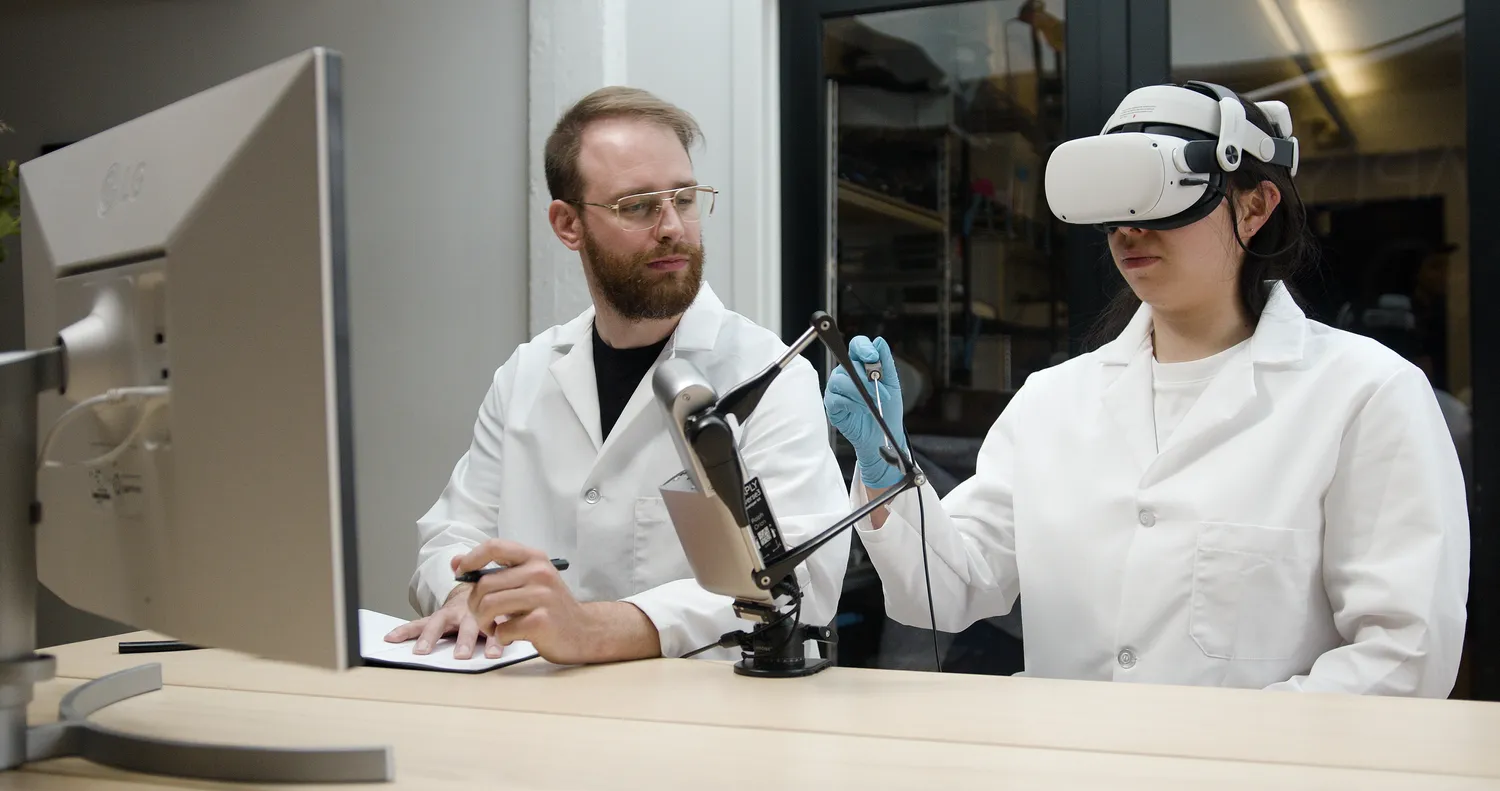
Haply adds force feedback to simulation-based training, helping learners build tactile skill, confidence, and muscle memory in digital and virtual environments.
4 kHz
haptic refresh for convincing tool contact
10 N
max output force for realistic resistance cues
6-DOF
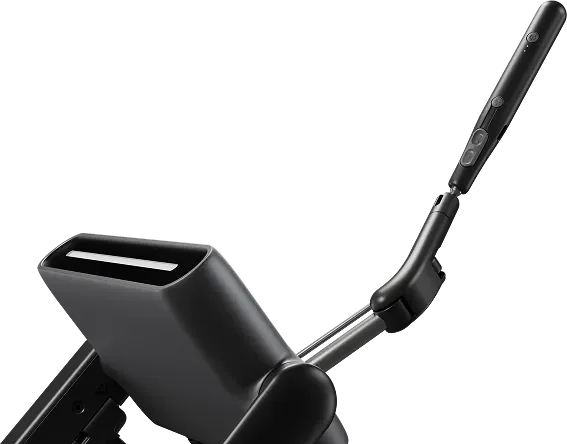
tracked input — position and rotation with VerseGrip
THE WORKFLOW
Practice you can feel.
Skills training with force feedback lets learners feel resistance, pressure, texture, contact, and tool interaction — the cues that separate watching a task from being able to do it. Digital and virtual training environments become physical and skill-based.
PROCEDURAL · VOCATIONAL · VR & IMMERSIVE · LABORATORY · TECHNICAL
PROBLEM / SOLUTION
The challenge, and the answer.
The challenge
Many training environments show learners what to do, but do not let them feel the physical cues behind the task. Procedural, vocational, VR, laboratory, and technical training can all depend on resistance, contact, pressure, texture, and tool interaction.
The Haply solution
Haply haptic devices bring touch into simulation and training workflows, helping learners practise with tactile cues that make digital and virtual environments feel more physical and skill-based — theory bridged to real-world expertise.
APPLICATION SCENARIOS
Where it goes to work.
Procedural skills training
Bring tactile cues — pressure, contact, resistance, texture, tool interaction — into training environments where learners need to build physical skill and confidence.
Immersive and VR simulation
Add force feedback to virtual environments so learners can feel contact, depth, and tool response instead of relying only on visual feedback.
Technical, vocational, and operations training
Support hands-on learning for industrial, laboratory, or technical workflows where tool control, repeatability, and confidence matter.
RECOMMENDED PRODUCTS
The right instrument.
COMMON QUESTIONS
Asked, answered.
Straight answers on fit, integration, and where to start.
Why does haptic feedback matter in training simulation?
Haptic feedback gives trainees tactile cues such as resistance, contact, pressure, texture, and tool interaction that visual-only simulations cannot fully recreate.
Which Haply products are used for simulation training?
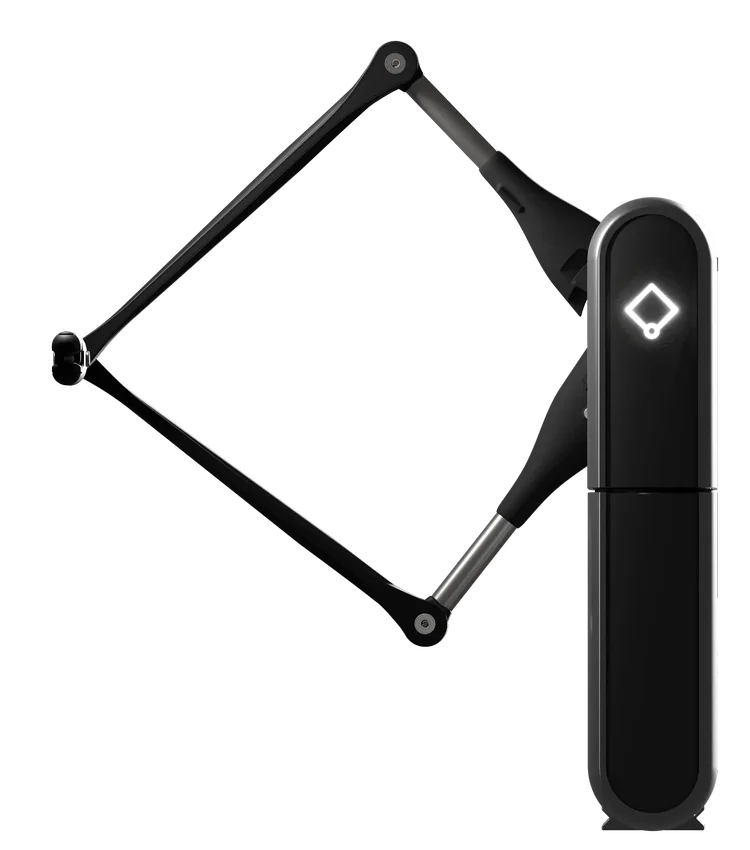
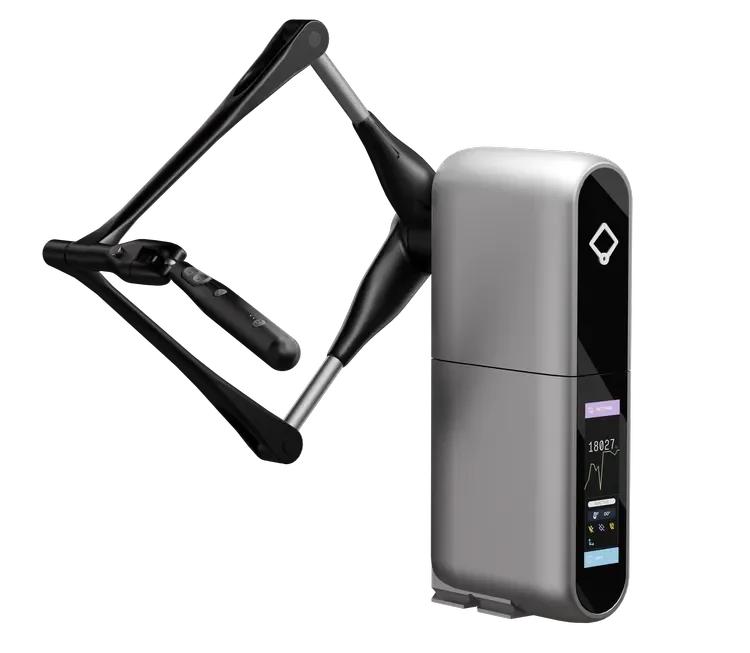
Inverse3 is a common starting point. Inverse3x is suited to demanding simulation environments. MinVerse can support approachable 3D and education workflows.
Can Haply support medical or surgical training?
Yes. Haply devices can support medical, surgical, and procedural training applications where tactile realism and force feedback are important. The right product and development path depend on the procedure, simulation environment, and performance requirements.
Can Haply be used in VR training environments?
Yes. Haply devices can support immersive and VR training workflows when integrated with the appropriate simulation environment.
Building a simulation or training workflow?
Talk to an expert about your training environment, tactile realism requirements, and product fit.