UC-05 / RESEARCH & EDUCATION
Instruments for haptics science.
Haply gives researchers and educators approachable, flexible haptic platforms for robotics, simulation, HCI, spatial interaction, 3D input, and hands-on technical learning.
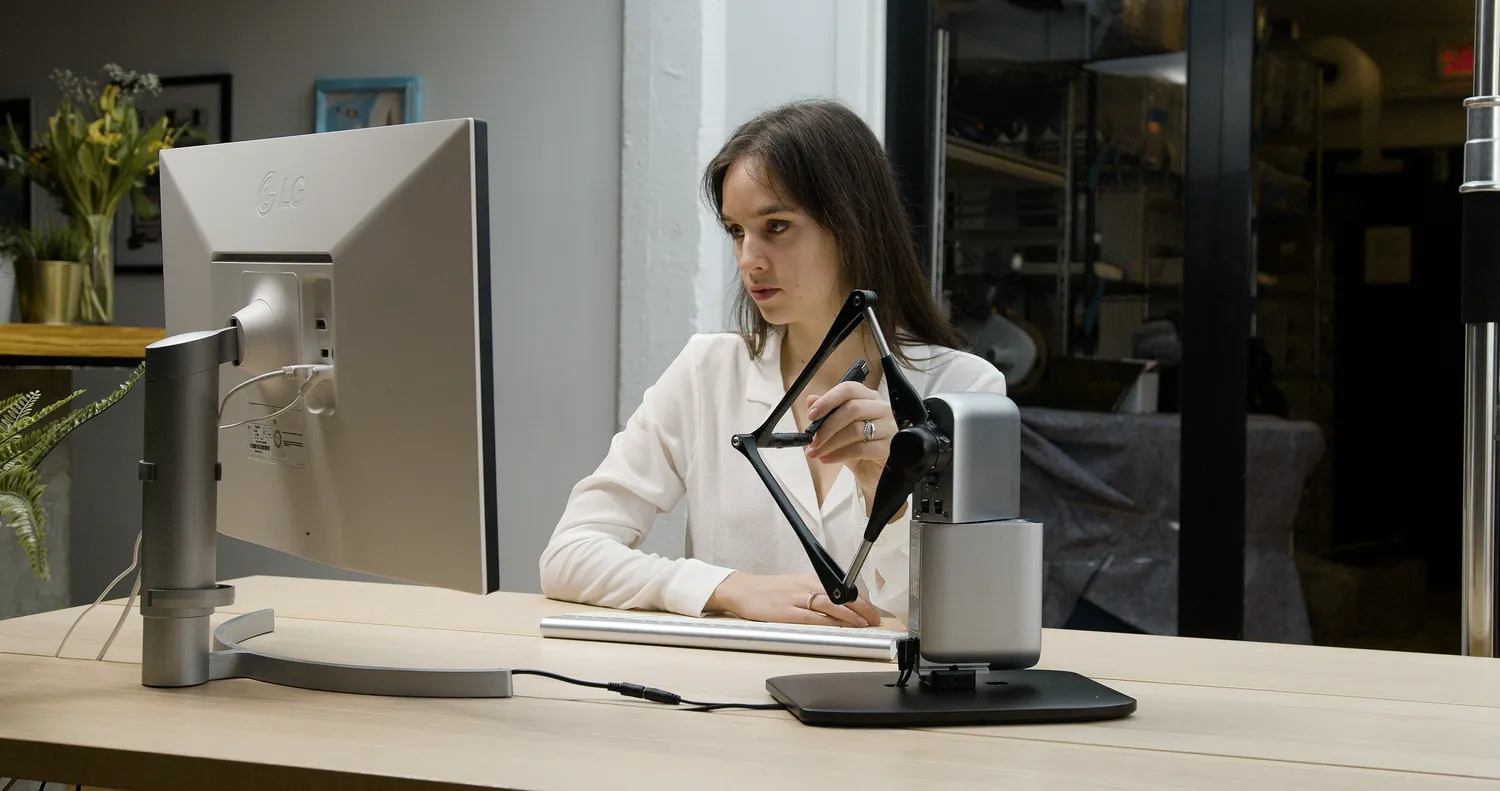
4 kHz
haptic loop — publication-grade control rates
0.01 mm
positional resolution for repeatable studies
3-DOF
force output, 6-DOF input with VerseGrip
THE WORKFLOW
Hands-on, by design.
Research and education with haptics gives labs, classrooms, and prototyping teams hands-on tools for force feedback, spatial interaction, robotic control, simulation, and 3D input — precise enough for publication, approachable enough for a first-year lab.
HCI · ROBOTICS LABS · SPATIAL COMPUTING · BIOMECHANICS · ASSISTIVE TECH
PROBLEM / SOLUTION
The challenge, and the answer.
The challenge
Research and education teams need tools that are precise, flexible, programmable, and approachable across many learning and research contexts. Labs, classrooms, HCI teams, assistive technology researchers, biomechanics groups, and spatial computing teams all need different ways to explore touch, motion, and interaction.
The Haply solution
Haply products support hands-on exploration of force feedback, spatial interaction, robotic control, simulation, accessibility research, prototyping, and 3D input for labs, classrooms, and applied research environments.
APPLICATION SCENARIOS
Where it goes to work.
Haptics, robotics, and spatial computing research
Support labs exploring force feedback, robotic control, teleoperation, HCI, physical AI, spatial computing, and 3D interaction.
Classroom and hands-on learning
Give students practical tools to understand force feedback, tactile interaction, simulation, robotics, 3D input, and applied technical learning.
Assistive technology and applied research
Support programs exploring haptics for rehabilitation, orthotics, prosthetics, accessibility, biomechanics, custom handles, prototyping, and HCI research.
RECOMMENDED PRODUCTS
The right instrument.
COMMON QUESTIONS
Asked, answered.
Straight answers on fit, integration, and where to start.
Can Haply products be used in university labs?
Yes. Haply products can support research labs, classrooms, robotics labs, HCI research, and simulation programs.
Which Haply product is best for haptics research?
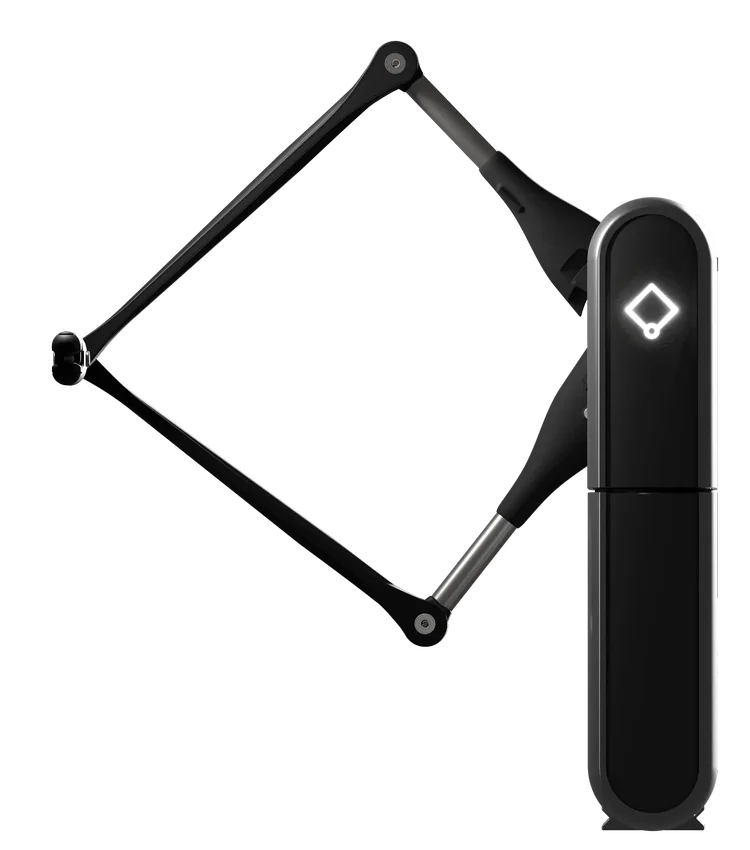
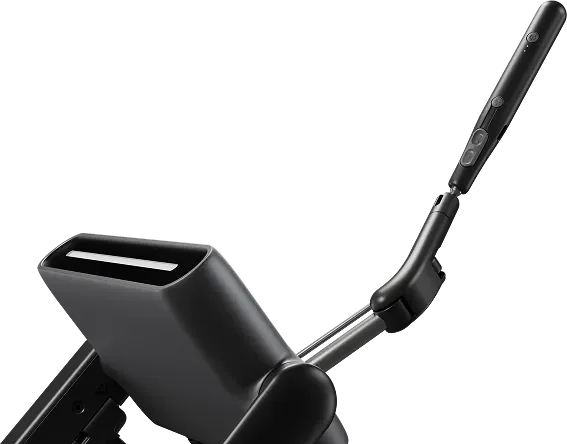
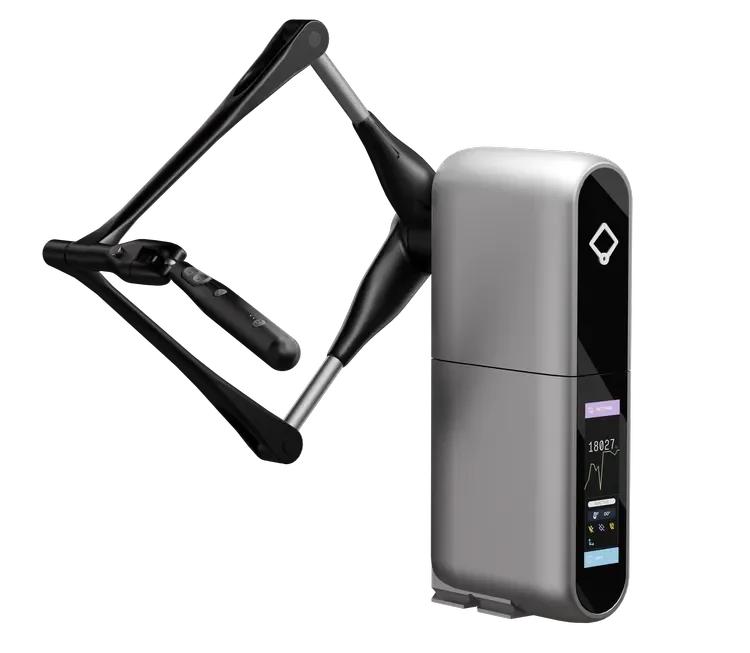
Inverse3 is a common starting point for haptics research. Inverse3x is suited to demanding research workflows, while MinVerse supports 3D input and education contexts.
How can Haply support research and education programs?
Haply devices can support research and education programs by giving students, researchers, and technical teams hands-on tools for force feedback, spatial interaction, robotics, simulation, and 3D input. They can be used in labs, classrooms, prototyping environments, and applied research projects.
Can students use Haply devices for simulation and 3D interaction?
Yes. Haply devices can support hands-on learning around force feedback, texture, spatial interaction, robotics, simulation, and 3D input. Students can use Haply devices to explore tactile interaction, robotic control, and digital environments in classroom, lab, and prototyping settings.
Equipping a lab or education program?
Talk to an expert about platforms, SDKs, and the right starting point for your program.