UC-02 / MEDICAL SIMULATION
Surgical realism, measurable skill.
Haply brings realistic force feedback to medical simulation, helping training teams create more tactile, repeatable, and immersive clinical learning environments.
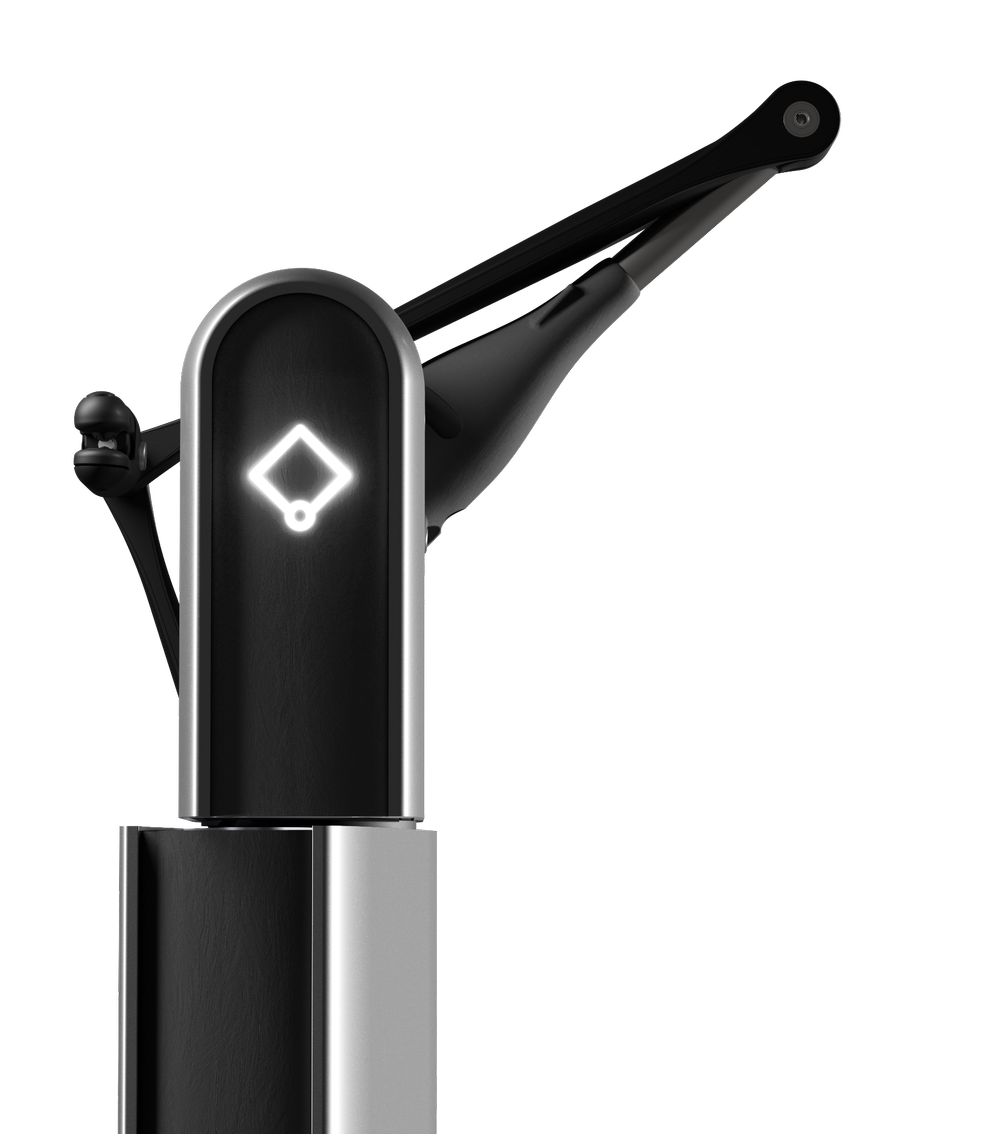
4 kHz
haptic refresh for stable tissue response
10 N
max output force for realistic tool resistance
0.01 mm
positional resolution for fine instrument control
THE WORKFLOW
Training that pushes back.
Medical simulation with haptics lets trainees practise procedures with the tactile cues the job actually depends on — pressure, resistance, contact, fit, and tool control. Physical feedback turns repetition into skill.
SURGICAL · PROCEDURAL · REHABILITATION · ORTHOTICS · PROSTHETICS
PROBLEM / SOLUTION
The challenge, and the answer.
The challenge
Medical, surgical, rehabilitation, orthotics, prosthetics, and procedural training can depend on physical cues such as pressure, resistance, contact, fit, and tool control. Visual-only simulation makes it harder to practise the tactile judgement these environments require.
The Haply solution
Haply devices add force feedback and tactile interaction to digital training environments — supporting medical, rehabilitation, and procedural simulation from first concept to high-fidelity deployment. Product fit depends on the procedure, simulation environment, and performance requirements.
APPLICATION SCENARIOS
Where it goes to work.
Surgical and procedural training
Support training environments where users need to feel pressure, resistance, contact, and tool interaction while practising surgical or procedural skills.
Clinical, rehabilitation, orthotics, and prosthetics
Support simulation where tactile cues — fit, pressure, resistance, contact, tool control — are central to medical, rehabilitation, and assistive technology workflows.
Medical robotics and remote simulation
Support teams exploring haptics for medical robotics, remote interaction, surgical simulation, and advanced training environments with varying performance requirements.
RECOMMENDED PRODUCTS
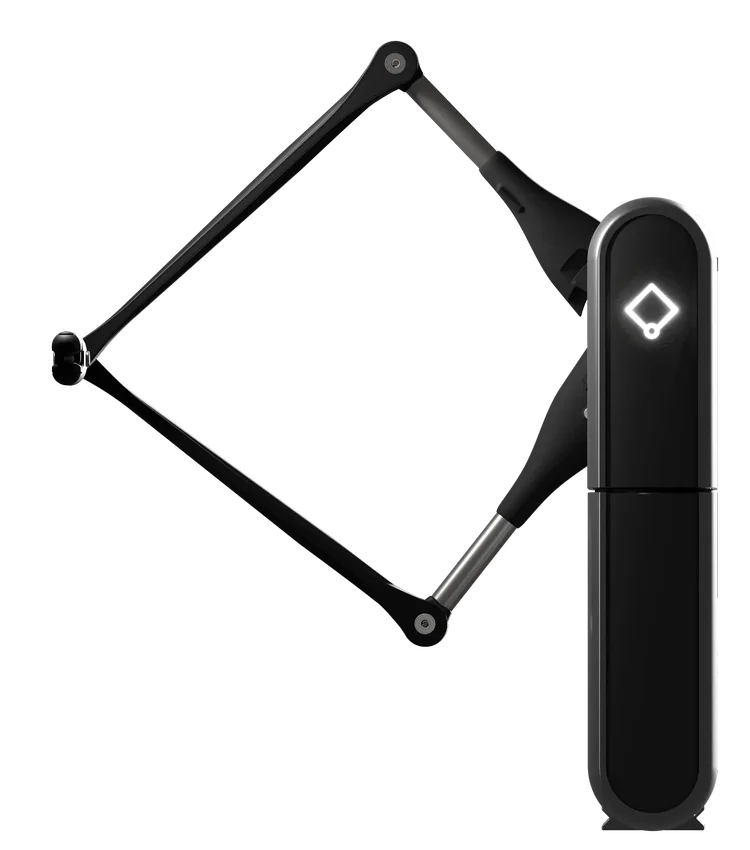
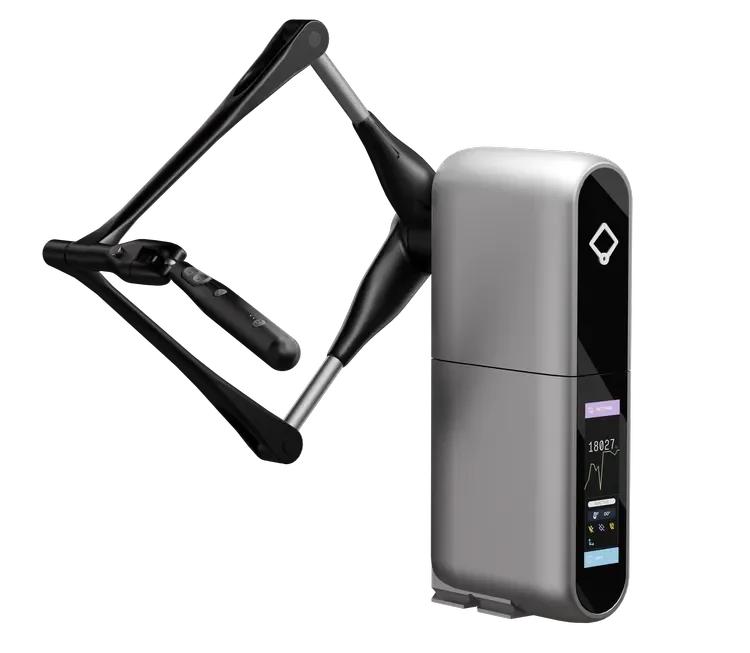
The right instrument.
THE EVIDENCE
Measured in surgical training research.
Independent research on haptic surgical training with Haply hardware.
+65%
increase in technical skill scores with haptic training
−44%
reduction in critical drilling errors
40% vs 0%
success rate on ultra-precise tasks — versus zero without haptics
WORKING WITH
- MedAcuity
- FundamentalVR
- NVIDIA
COMMON QUESTIONS
Asked, answered.
Straight answers on fit, integration, and where to start.
How does haptic feedback improve medical simulation?
It adds tactile cues such as pressure, resistance, and contact, helping training environments move beyond visual-only simulation.
Can Haply be used for surgical training?
Yes. Haply devices can support surgical and procedural training workflows when integrated into the appropriate simulation environment.
Can Haply support procedure-specific medical simulation?
Yes. Haply devices can support procedure-specific medical simulation where tactile realism, force feedback, pressure, resistance, texture, and tool interaction are important. Product fit depends on the procedure, simulation environment, and performance requirements.
Which Haply product is best for medical simulation?
Inverse3 is a common starting point. Inverse3x may be appropriate for higher-performance or more demanding simulation environments.
Designing a medical simulation workflow?
Talk to an expert about tactile realism, procedure fit, and performance requirements.