Why Touch Is Essential to the Future of Physical AI
Co-founder Colin Gallacher on how force-feedback haptics gives humans intuitive control of robotic systems — and why motion is the language we use to teach robots physical tasks.
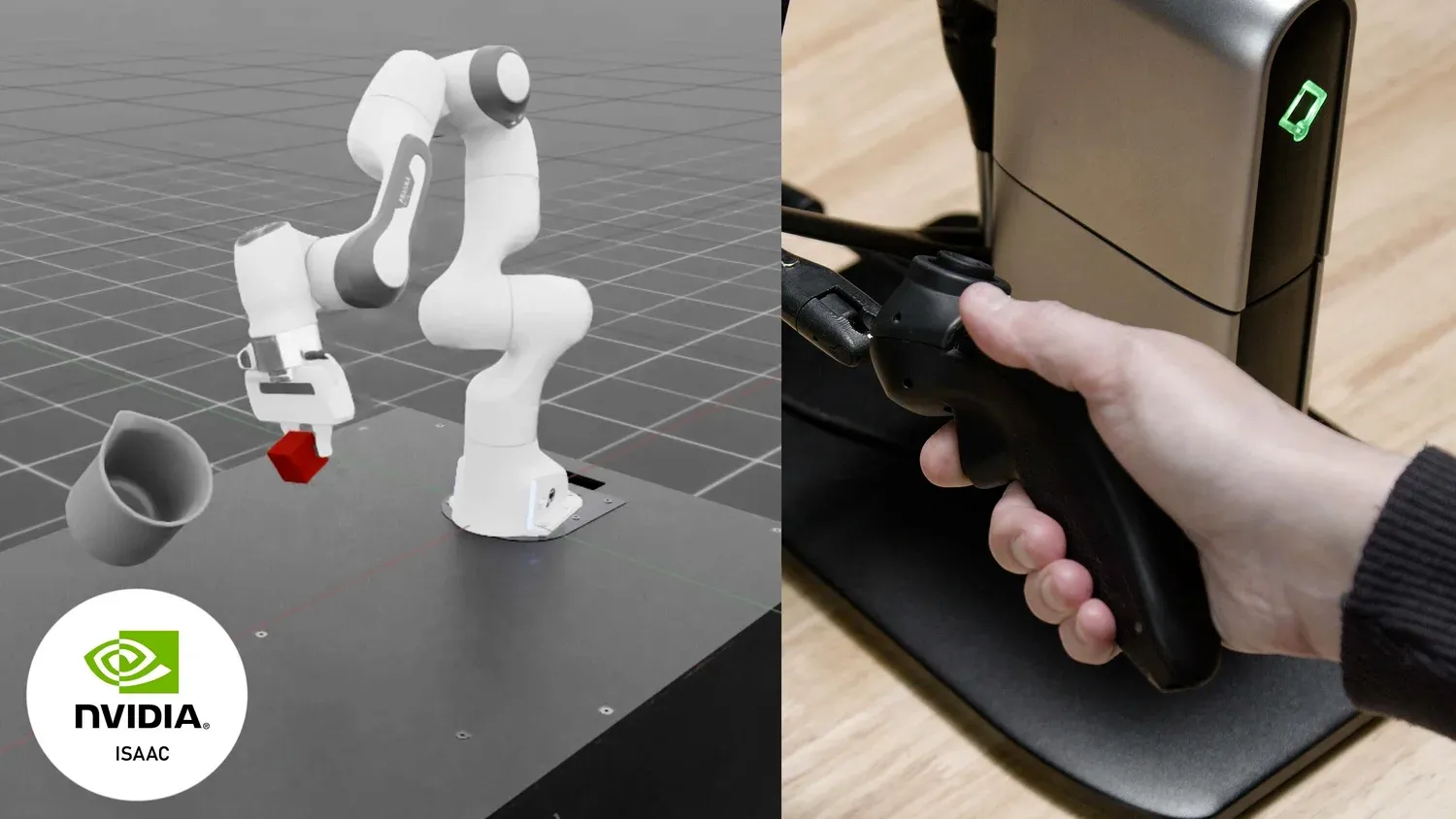
Originally published on haply.co — the canonical version of this article.
Motion as a communication language
In a conversation on the Robot Builders Club podcast with Ali Afzal, Haply co-founder Colin Gallacher laid out a simple thesis: if we want robots to learn physical tasks from people, we need a channel that carries more than pixels. Motion — captured with force and position together — is that channel. It is how a person demonstrates a skill, and how a robot can replay, refine, and generalize it.
What force feedback actually does
Force-feedback technology applies resistance or movement in response to what happens inside a robotic or digital environment. When a teleoperated arm meets a surface, the operator feels it. When a simulated tissue deforms, the trainee’s hand knows before their eyes do. That closing of the loop is what makes human control of robots intuitive rather than laborious.
From teleoperation to training data
The same signal that makes control intuitive is also the signal Physical AI models are missing. Vision-only datasets describe what a task looks like; force and motion data describe what it feels like — when contact occurs, how much pressure is applied, how resistance changes. Devices like the Inverse3 and MinVerse capture that data as a by-product of natural human demonstration.
Listen to the conversation
The full podcast episode covers Haply’s origins, the state of haptics in robotics, and where touch-enabled AI is headed next. Find it via the original post on haply.co.